Are your messages reaching customers and turning into real sales? The statistic that 98% of messages get read shows why you can't ignore this channel.
But used wrongly, messages can annoy customers instead of reaching them—and even get you blocked. So what should you focus on so customers think “This is useful to me” instead of “Another ad again”?
Here are 5 secrets of message marketing that reach customers effectively without annoying them, plus innovative channels you can use more smartly.
1. Choose the right channel for your goal
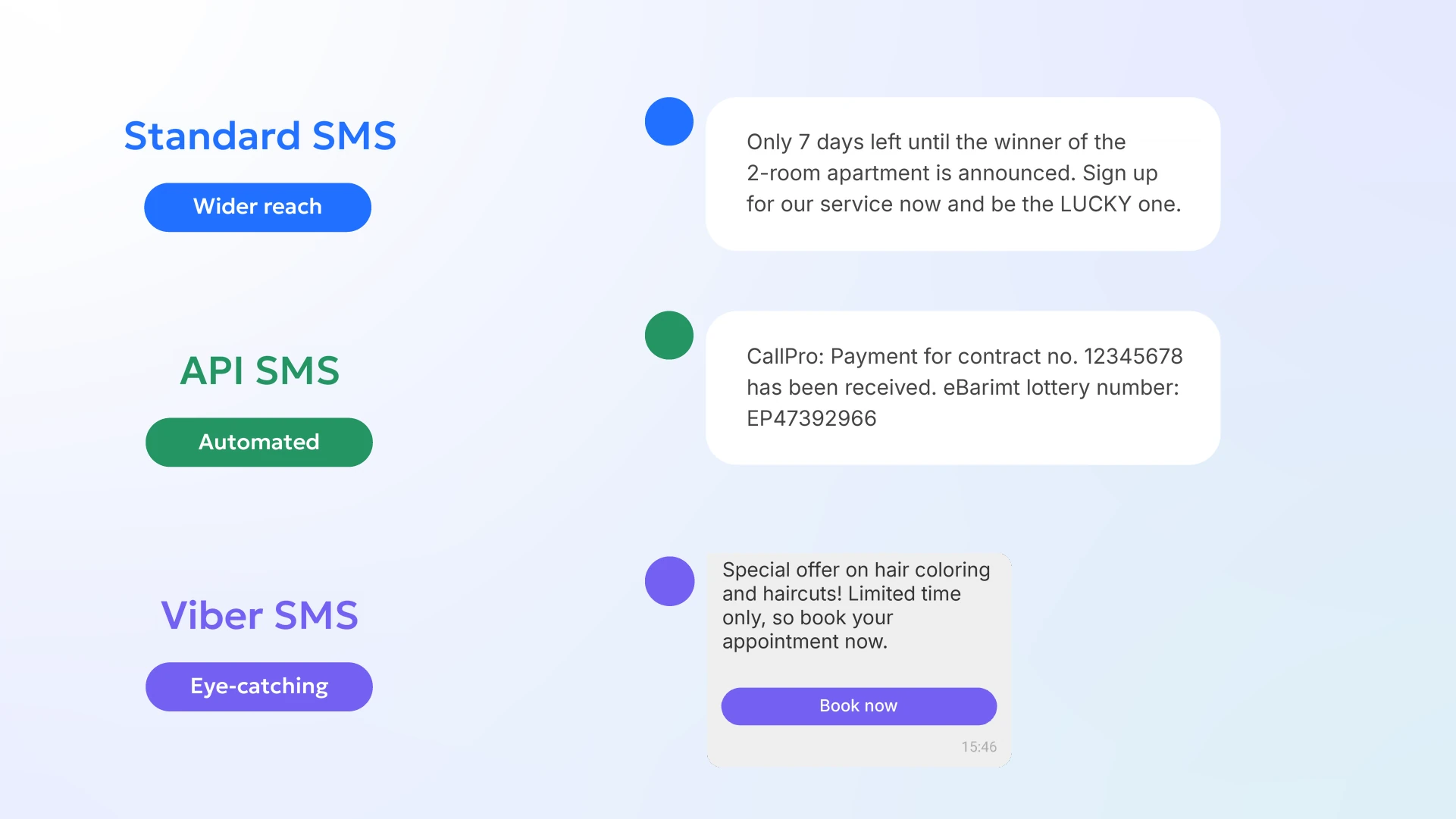
You don't need to send every message through a single channel. It's more effective to choose a channel based on the message's purpose, content, and the action you expect from the customer.
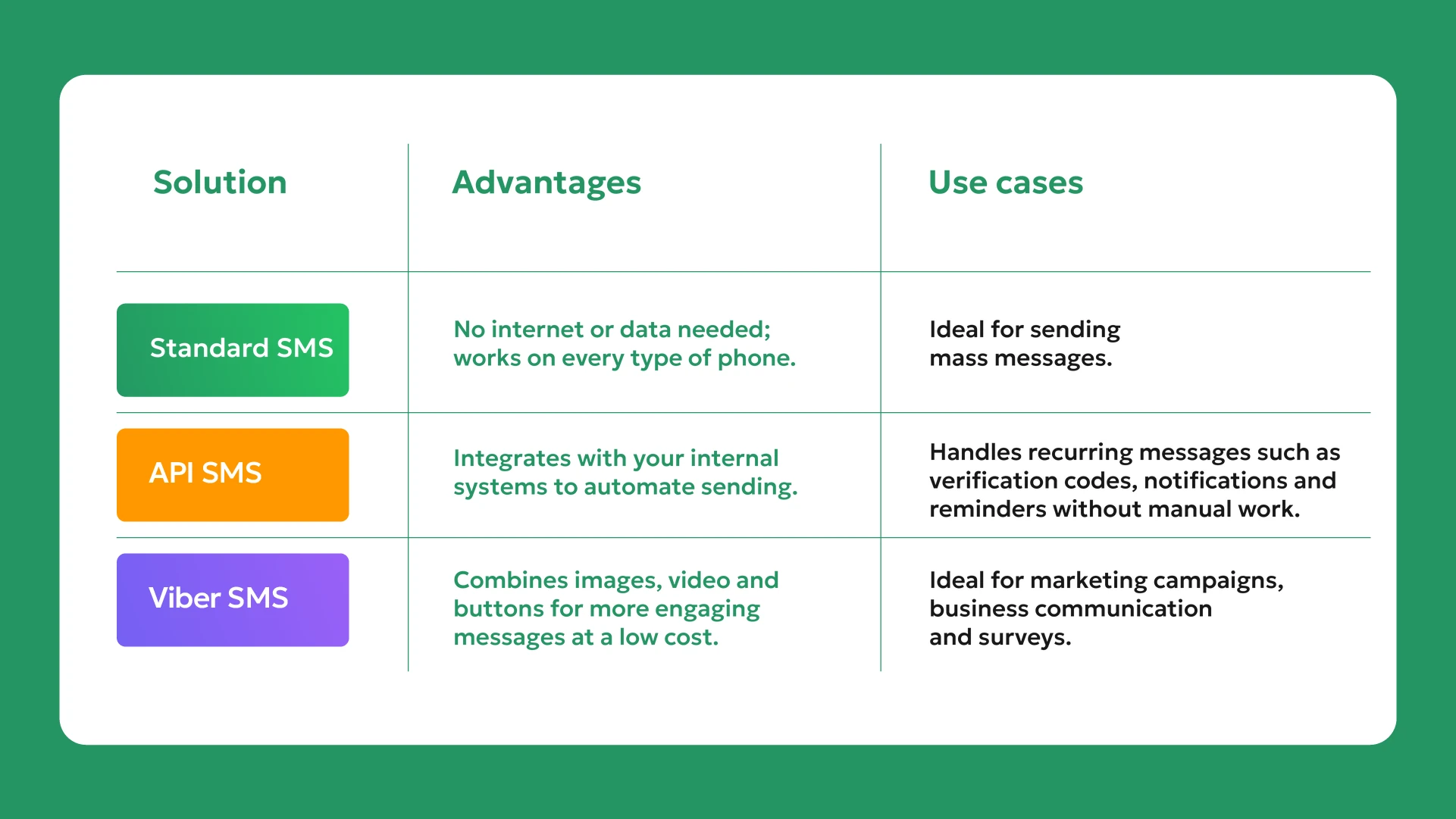
For urgent, short messages to a mass audience, standard SMS works well, and you can automate recurring actions such as order confirmations, payment receipts, notifications, and one-time passwords. Viber messages with images, links, and actionable buttons, on the other hand, are more effective when the goal is to spark customer interest and shape your brand image. Sending promotions and product information this way can especially attract more customer attention.
In short, no single channel fits every message. Delivering the right information through the right channel helps you cut costs and improve message performance.
2. Send personalized messages to each customer
Instead of sending the same message to every customer, tailoring messages to each customer's profile based on their name, purchases, and usage history leaves a more personal impression.
For example, a message like “Dear Narmandakh, your membership expires in 5 days” feels more relevant and useful to the customer.
With CallPro Text, you can connect to your organization's internal systems and automatically send personalized messages to each customer.
You can also segment customers by various criteria such as age, usage, and purchase frequency. A 20-year-old new customer and a 50-year-old long-time customer have different needs. So instead of sending everyone the same message, deliver exactly the information each one needs.
3. Make the next step clear
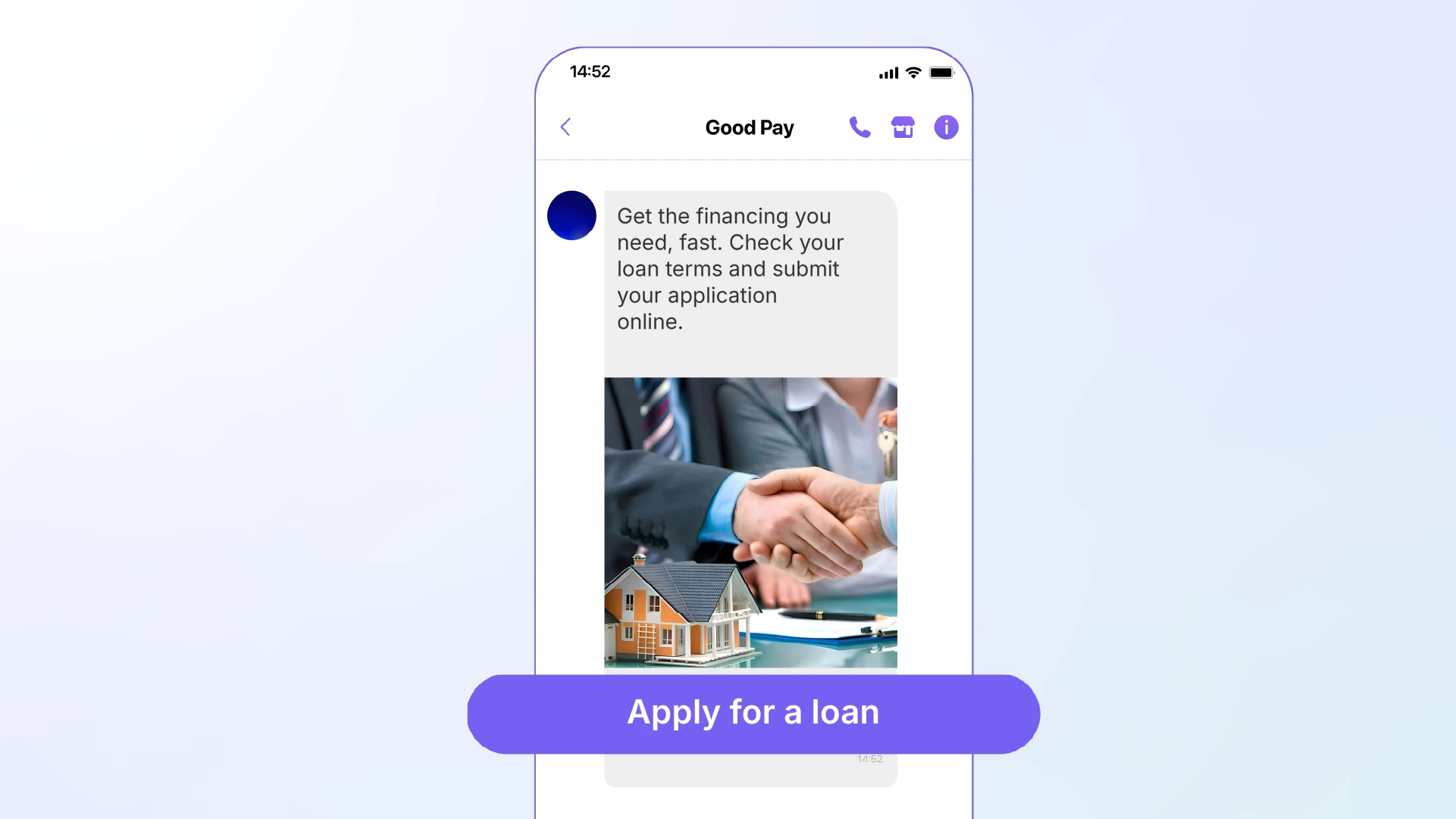
Customers receive dozens of ads and notifications on their phones every day. So for your message to be opened and read, it must first answer the question “What's in it for me?” The benefit should be clear the moment it's read, and the next step should be clear too.
You can keep messages to a simple structure: problem → solution → action.
For example: “The new collection has arrived. Choose your style now.” Then, by adding CTA (call to action) buttons such as “Order now” or “View details” that let customers act immediately, you can easily “nudge” them to buy.
This is the main advantage of Viber messaging: it presents products and services in a more engaging format and guides customers straight to the next step.
Messages with images drive more purchase actions.
4. Timing and frequency
Even a good message can feel like spam if it arrives at the wrong time. Instead of sending a long ad to someone rushing to work in the morning, it's more effective to deliver information at the moment the customer needs it.
Most marketing messages should be sent between 09:00 and 20:00, and you should avoid repeating the same message too often. Repeating promotional messages too frequently annoys customers and increases the risk of them muting or blocking you. Information tied to customer actions—order confirmations, payments, deliveries—can instead be automated and delivered quickly at exactly the moment it's needed.
So measure message performance not only by “How many messages did we send?” but also by “Did we reach the right person at the right time?”
Right timing + right frequency = better customer experience
5. Offer an opt-out option
The key difference between spam and quality marketing is choice. Letting customers opt out of marketing messages whenever they want shows that you respect their choices. It also cuts the cost of repeatedly messaging inactive customers and lets you reach genuinely interested customers more precisely. This way, customers get to choose the information they want, and their relationship with your brand stays positive.
Giving customers a choice isn't cutting off communication—it's a way of preserving trust.
To get advice and information on messaging solutions that optimize your costs and grow your sales, leave your details below. Our specialists will recommend solutions and advice tailored to your needs, free of charge.