Customer experience is every feeling, impression, and process a customer goes through from the moment they first encounter an organization, and it is a key lever that determines a business's future. Price, quality, and brand image certainly matter. But the main factor that keeps customers loyal, brings them back, and grows a company's real value is the exceptional impression you give them.
Unfortunately, many organizations lose customers not because of their products, but because of small service mistakes. These mistakes usually don't look big—they stem from simple everyday actions and small oversights we don't notice.
Here are 6 factors that may seem like small mistakes but cause the biggest business losses, lowering customer satisfaction and undermining a good experience.

1. Slow response
For an employee, 10 minutes is just a quick coffee break. For a customer, it's decision time.
Minute 1: They think, "Fine, I'll wait."
Minute 3: They start getting a little frustrated.
Minute 5: "Should I look for another service?"
Minute 7: They feel, "I need to protect my time."
Minute 10: Most customers have already chosen another company.
What feels like an ordinary break to an employee becomes the customer's decision to choose or leave your organization.
2. An unpleasant tone

Customers first sense service quality through the employee's tone of voice and the atmosphere of the conversation. According to research from the University of Glasgow, people judge trustworthiness and friendliness from tone of voice within the first 7 seconds.
If an employee sounds mechanical, rushed, or indifferent, the brain perceives it as a threat or aggression. Don't forget that a single unpleasant interaction can erase years of positive memories.
3. Complicated internal processes
Customers don't need to know your organization's internal structure or who is responsible for what. Only one thing matters to them: “Will my problem be solved quickly?”
Yet in some organizations, customers get frustrated when they have to explain the same issue to several employees, when no one seems to take full ownership, or when information is slow to pass between departments. In other words, without a unified internal system where no one knows where anything is, things become difficult for both employees and customers.
In organizations that use CallPro Teams, however, all customer history, requests, and channel data are centralized in one system, so customers don't have to go through unnecessary handoffs.
4. Inconsistent information
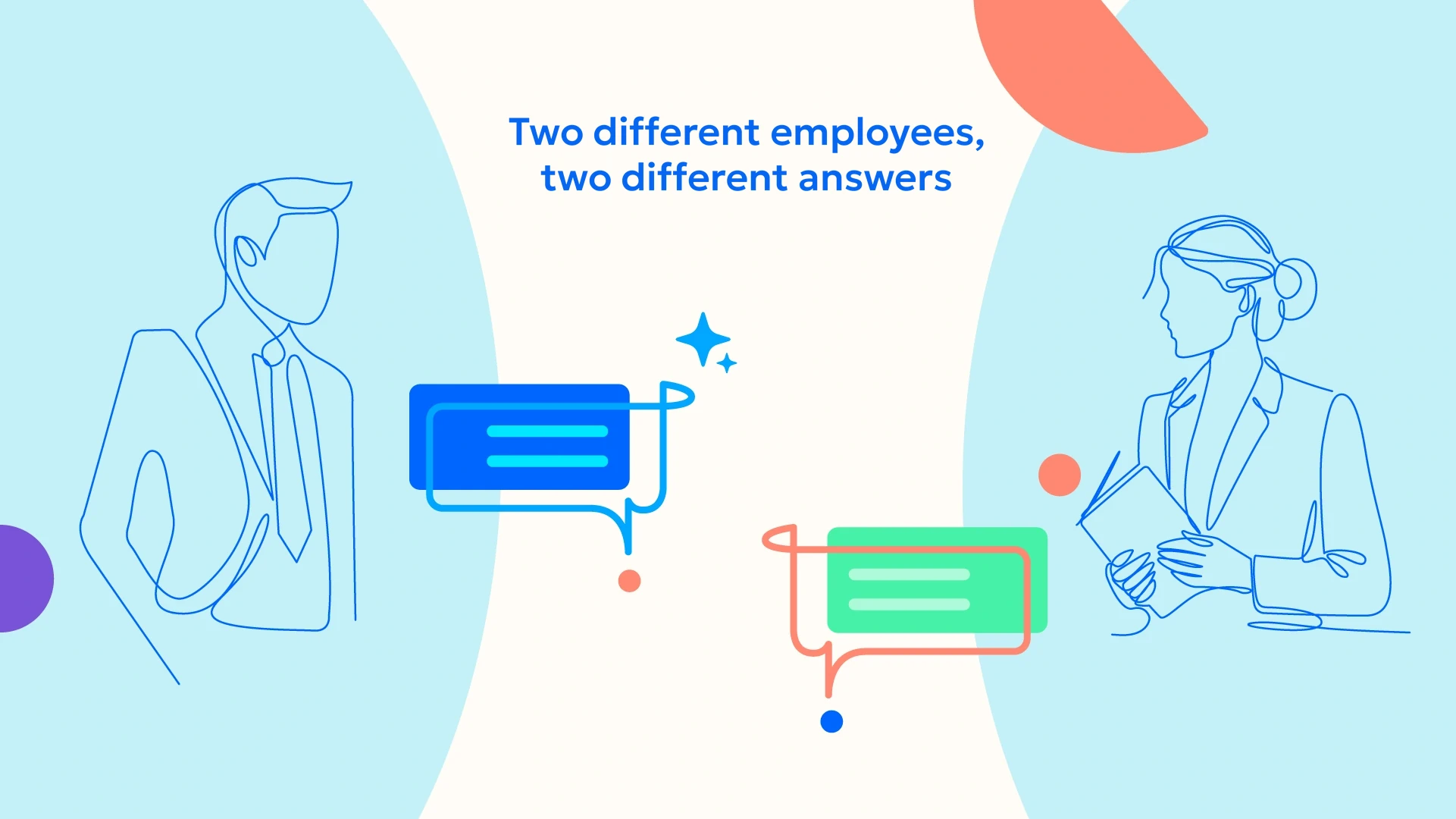
Few things erode trust like getting two different answers from two different employees.
This happens when employees aren't fully briefed on new services or products, when system data is outdated, or when internal processes aren't aligned. But customers don't know the reason. Instead, they conclude, “This company has no idea what's going on internally.”
5. Technical glitches
This is the mistake today's customers tolerate least. Although technical issues can happen anywhere, anytime, for a customer, glitches such as a failed payment page, a suddenly dropped call, a chat that freezes for 2 seconds, or an error message can be reason enough to dismiss the entire quality of your service.
A one-time glitch is understandable, but the second time, customers begin to doubt whether the service is reliable. That's because technical failures are the single biggest indicator of an organization's professionalism.
6. Not recognizing loyal customers

Every customer wants to feel seen—to have their interests and behavior recognized and to receive service tailored just for them. By offering active customers faster, more exclusive VIP service, organizations grow a base of loyal customers who feel a sense of belonging.
Customer service and experience are powerful forces for holding your market position and even reshaping competition. Improving customer experience may seem to require huge investment, but in reality it's about identifying and fixing these small yet impactful mistakes.
If your business is facing any of these challenges, click here to schedule a consultation with our specialist. Get detailed information and expert advice on the solutions best suited to your organization.