For patients, contacting a hospital or healthcare center is the very first step in their care. That's why healthcare organizations around the world are focusing not only on the quality of care but also on how to improve access to their services.
By optimizing everyday services such as appointment booking, test results, consultations, and billing information with communication technology, hospitals are reducing their workload and significantly increasing patient satisfaction. In this blog, we introduce solutions for improving service quality in the healthcare sector.
1. Introduce 24/7 automated appointment booking
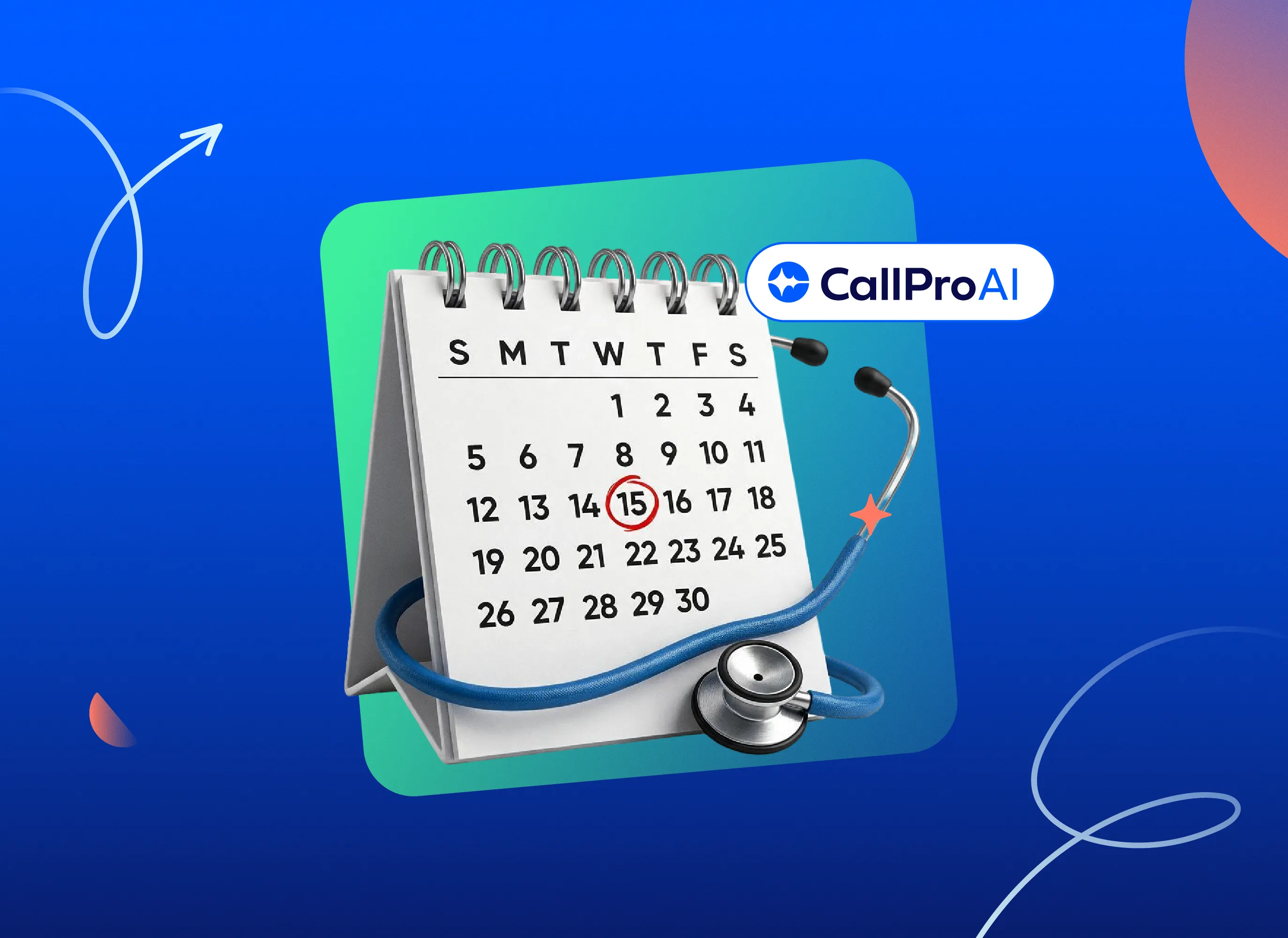
In some hospitals, appointments are still booked only by phone, through the website, or by queuing at the registration desk. Yet appointment booking is the service that creates the heaviest workload for hospitals. When dozens of people try to get through at the same time every day, staff become overloaded, calls are missed, and patients who arrive at the hospital still face long waits.
On the other hand, much of hospital staff's daily working time is spent answering the same questions over and over. Simple questions like "What time should I come tomorrow?" or "Are my test results ready?" add to their workload. But the ability to automate these processes already exists.
For example, by connecting the CallPro AI assistant to a company's website and social channels such as Facebook and Instagram, patients can book appointments and get information 24/7 through whichever channel they prefer. It receives appointment requests, registers them in the hospital system, and creates calendar entries, so no agent involvement is needed. It also takes care of patients by sending appointment reminders via call, SMS, or chat.
2. Send automatic appointment reminders
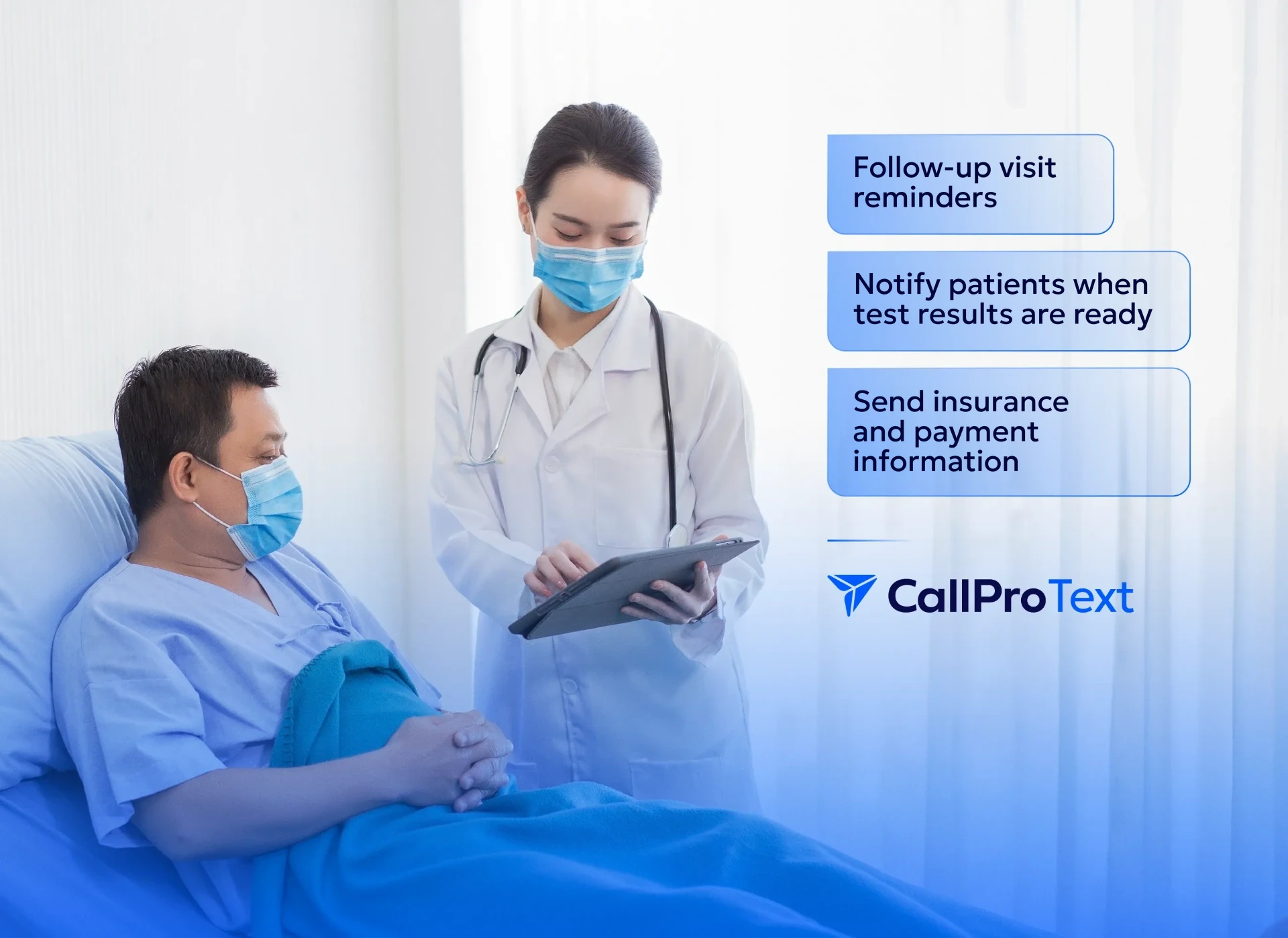
For hospitals, patients not showing up for their scheduled appointments is one of the most common problems. Even after booking, many patients forget the date or cancel because they haven't prepared adequately. As a result, the doctor's slot goes unused and the next patient misses the chance to be seen. You can instantly notify patients about appointment reminders, test results, changes to doctors' schedules, and cancellations.
This automated messaging solution eliminates the need to call each patient individually. It is also one of the most effective ways to increase patient satisfaction and show patients they are cared for.
3. Deliver hospital information consistently
The IVR can be flexibly configured to match how a hospital operates. Organizations can tailor menus and information flows to their service structure, number of branches, and patient needs.
For example, when a patient calls, the system automatically provides useful information such as hospital opening hours, doctors' consultation hours, types of services, branch locations, and contact details.
For organizations with multiple branches, calls can be linked to branch-specific information so callers are connected directly to the nearest branch. Different information can also be provided depending on the type of examination or service.
With an IVR tailored to the way each hospital or healthcare center operates, patients get the information they need quickly while staff workload is reduced.
4. Manage chats and build customer records
Social chat management lets you handle chats and messages from every channel, including Facebook, Instagram, Viber, WhatsApp, your website, and email, from a single screen, and respond to every request quickly and consistently. It also lets you record and store customer information and interaction history, building your organization's own database.
If managing multiple channels separately leads to slow responses, inconsistent information, or lost conversation history, CallPro Social can help solve these problems.
Staff can see a customer's past interactions and records in one place, so there's no need to search for information again. This means issues are resolved faster and every customer receives consistent, professional service.
5. Keep internal communication between doctors and staff secure
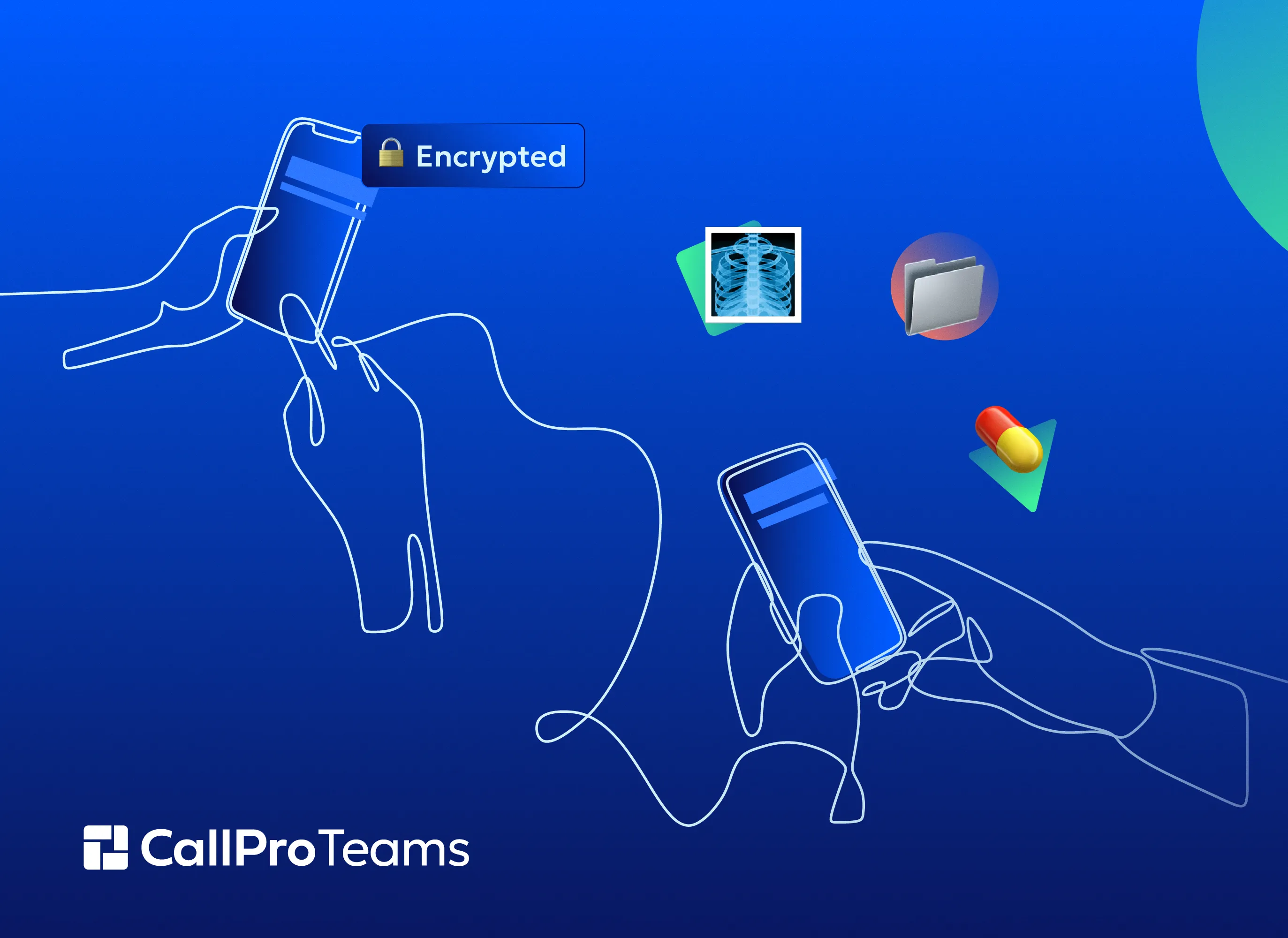
In the daily operations of hospitals and laboratories, doctors, nurses, and other staff constantly exchange information. Sharing diagnoses, test results, treatment plans, and internal documents via personal messengers poses risks to information security and confidentiality.
That's why it's essential to provide a secure environment built for internal hospital communication, where staff can chat, hold audio meetings, share files, and exchange documents.
This ensures that patient diagnoses, test results, and internal hospital information reach only authorized staff, reliably safeguarding the organization's information security.
Leave your details below to get free advice from our experts on solutions that take healthcare service quality to the next level.