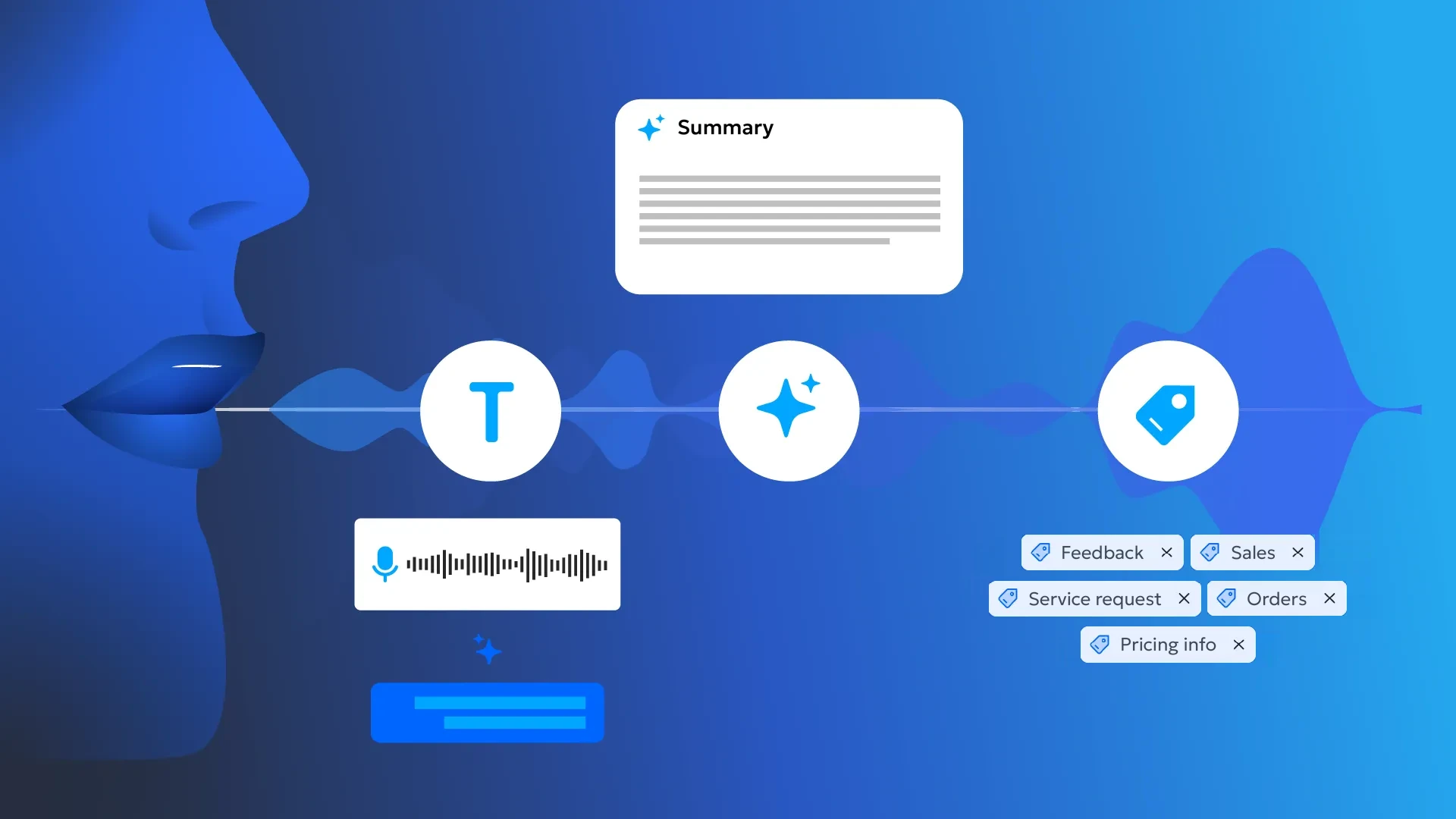
Major call centers around the world are shifting toward using AI to extract insights from every conversation. For example, NICE processes over 25 billion interactions annually with the help of AI, uncovering insights from each conversation about customer needs, recurring issues, and employee performance.
Systems such as Amazon Connect’s Contact Lens automatically transcribe calls into text, enabling users to search conversations and identify customer sentiment, issues, and key moments. CallPro is bringing these capabilities to Mongolia.
Where does the most valuable information lie for an organization that handles hundreds of calls every day?
AI is becoming your everyday assistant, going beyond simply recording calls to understanding conversations and extracting the insights that matter.
1. Speech to text
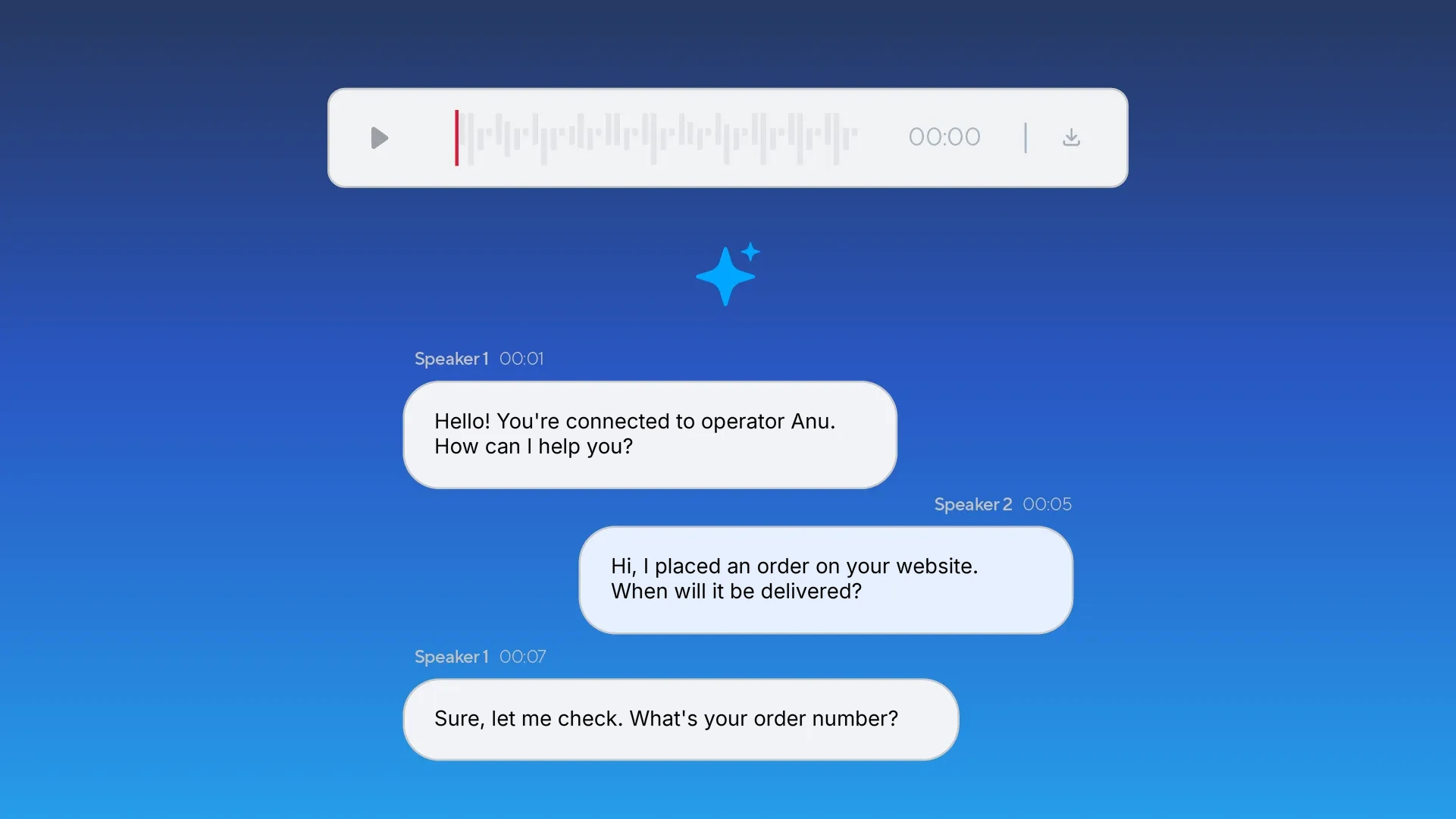
Automatically transcribing call recordings into text eliminates the need to listen to entire conversations. This simple but important change means calls are no longer just something you listen to — they become searchable, readable sources of information.
For example, a 15-minute call may cover several issues, including payments, refunds, and delivery. Previously, you would have had to listen to the entire recording to find out what was discussed and when. Now, you can simply scroll through the transcript and read the relevant parts.
Moreover, converting call recordings into text is the first step toward unlocking more advanced AI-powered capabilities.
2. Summarizes calls and highlights key points
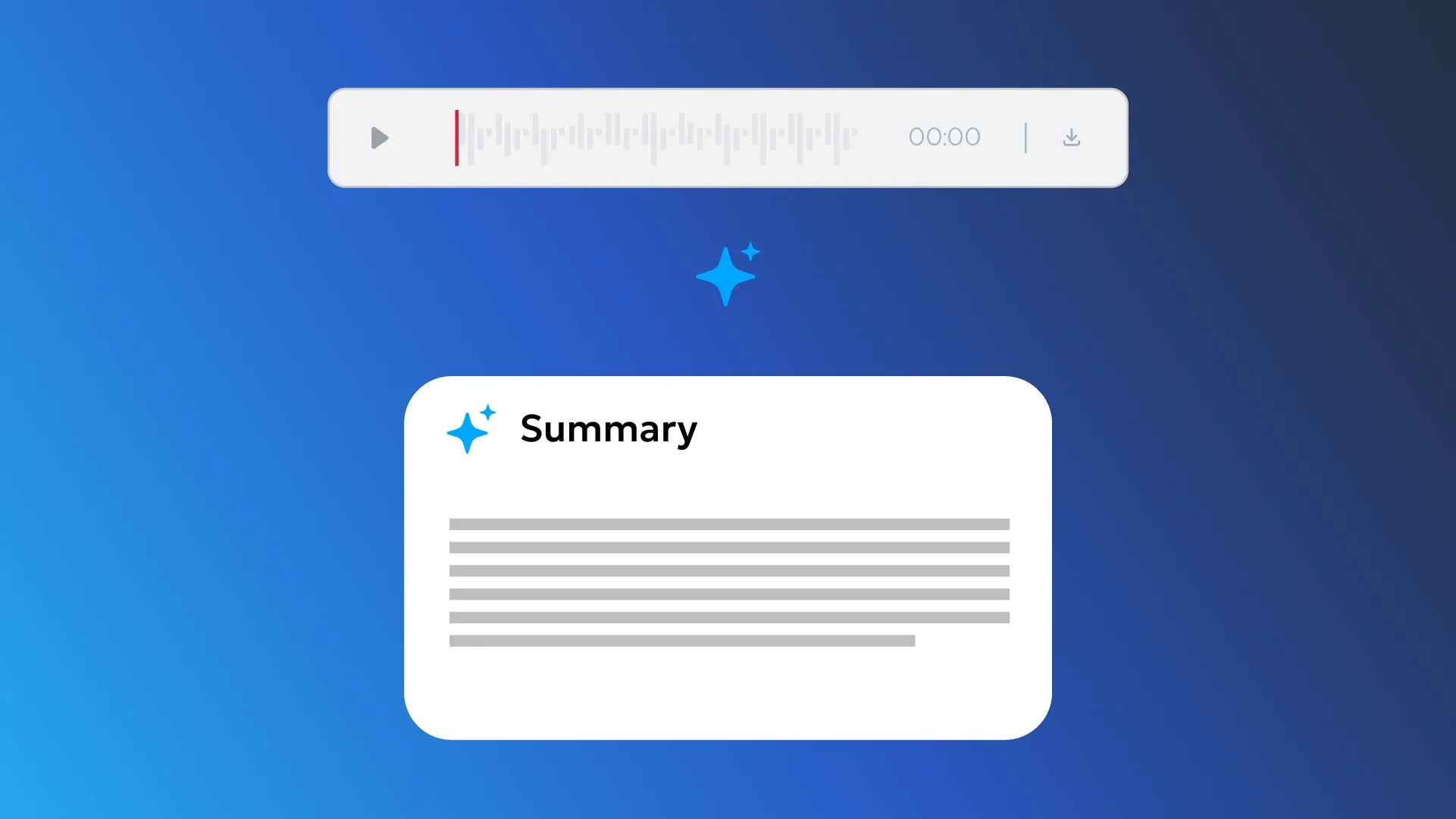
The next capability of CallPro AI is call summarization. Understanding a one-hour conversation usually requires listening to the entire recording. With AI, however, conversations can be automatically transcribed and their key points summarized in just a few sentences. You can quickly see why the customer called, how the operator responded, and what solution was reached.
You no longer need to listen to or read through every part of a lengthy conversation. AI condenses the most important details of each call into just 1–3 sentences. This allows you to understand what happened in seconds when reviewing calls, while listening to the full recording only when necessary.
Operators can also quickly review previous conversations, better understand each customer's situation, and resolve issues in less time.
3. Automatically Categorizes and Classifies Every Call
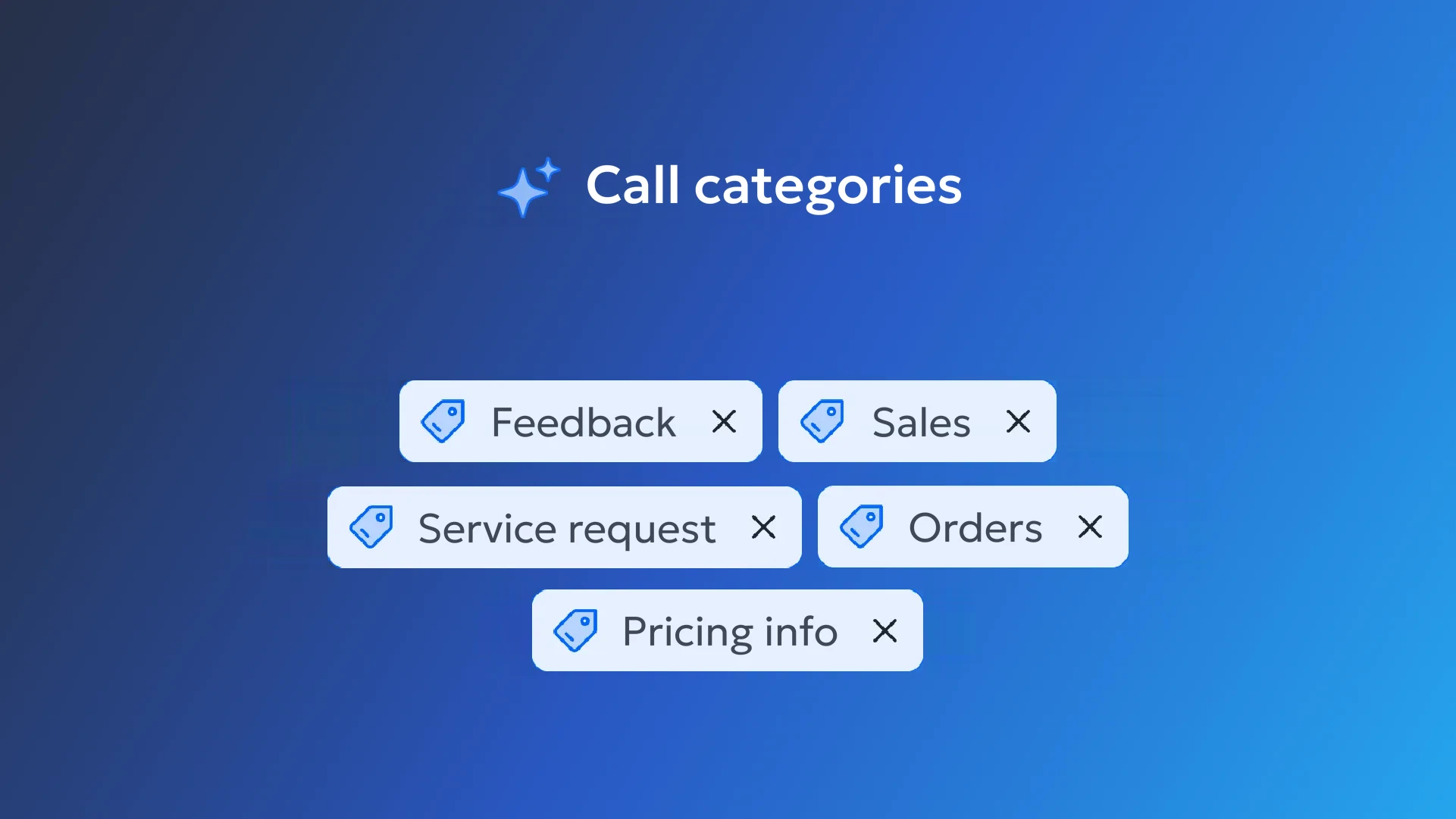
By categorizing daily calls into groups such as “Order Registration,” “Technical Support,” “Customer Feedback,” and “Marketing & Sales,” businesses can identify the reasons customers contact them most frequently. When these calls are analyzed together, they can reveal valuable patterns and insights.
First, the organization creates categories based on its specific needs. The AI assistant then understands the content of each call and automatically assigns it to the appropriate category. This eliminates the need to classify every call manually, making it easier to organize and manage conversations by type.
For example, calls about technical issues may have increased sharply over the past month, or the same type of complaint may be recurring every day. By analyzing call data, businesses can easily identify these patterns and understand which issues are arising most frequently.
For example, suppose you have created categories such as “Payments,” “Orders,” and “Refunds.” You can simply search call records from the past month by category to quickly see how many customers contacted you about each issue. Instead of searching through hundreds of recordings, you can now find the information you need instantly.
Entel Connect in Peru receives more than 600,000 calls per month, but previously, it could analyze less than 1% of its conversations. After implementing AI, the company began analyzing data from all calls to identify customer needs and uncover new sales opportunities. As a result, inbound sales increased by 40% within just 10 weeks.
International call centers are using AI in these ways to identify the most common reasons customers call, detect recurring issues, review employee conversations, and improve service quality.
Manually listening to, documenting, and categorizing every call is time-consuming and difficult for employees. An AI assistant automates most of these tasks, saving employees time and making it easier to extract valuable insights from calls quickly.
The next stage in the evolution of call centers is not just recording and storing calls, but learning to extract valuable insights from every conversation.
If you would like to integrate these AI assistants into your services, leave your details in the form below. Our specialists will provide a free consultation and introduce solutions tailored to your organization’s needs.